
The NHS January Blues Buster
The opening webinar of 2025 for Sustainability Partnerships took a different direction from the usual ecological sustainability focus, addressing a critical element of sustainable healthcare: the wellbeing of NHS staff. With 58% of NHS staff reporting unpaid work every week and 41% experiencing work-related stress, the webinar brought together two innovative apps designed to support the workforce through practical tools and resources.
You can download both presentations here:
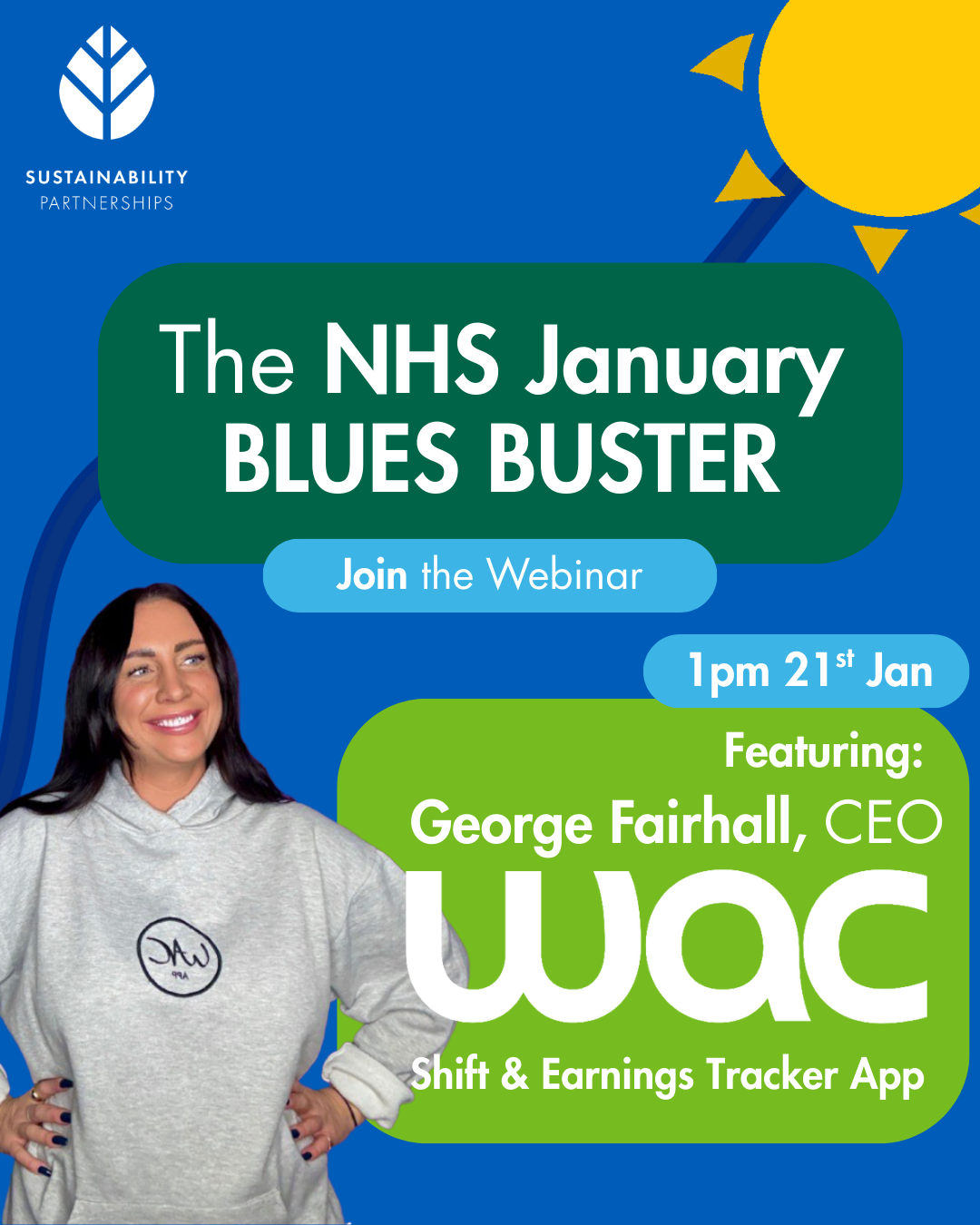
WAC: Empowering Variable Income Workers
Georgina Fairhall, founder and CEO of WAC, presented a comprehensive solution for NHS staff managing variable income, shift work, and complex pay structures. Drawing from her own experience of consistently being underpaid across multiple jobs in hospitality and agency work, George created WAC to give workers one place to track their hours, manage their earnings, and feel confident they're being paid correctly.
The app addresses a significant problem: around 45% of hourly paid workers are underpaid each payday. In the NHS, this issue is compounded by failing systems, breakdown of trust, and chaotic shift patterns where breaks are missed and overtime isn't recorded. WAC's solution includes features for tracking multiple jobs, managing rate changes, automated overtime calculations, and generating live payslip estimates that workers can compare against their actual payslips. The premium version offers detailed reports that can be submitted to employers when discrepancies are found, with WAC even providing template emails to help workers navigate what can be a stressful process.
With around 500,000 installs across the UK and thousands of NHS workers already using the app, George emphasised WAC's worker-led approach, building features based on feedback from those who use it daily. The app is free to use with essential tracking features, while premium features are available at £2.99 per month.
For more information, make sure to check out the WAC website or contact the team!
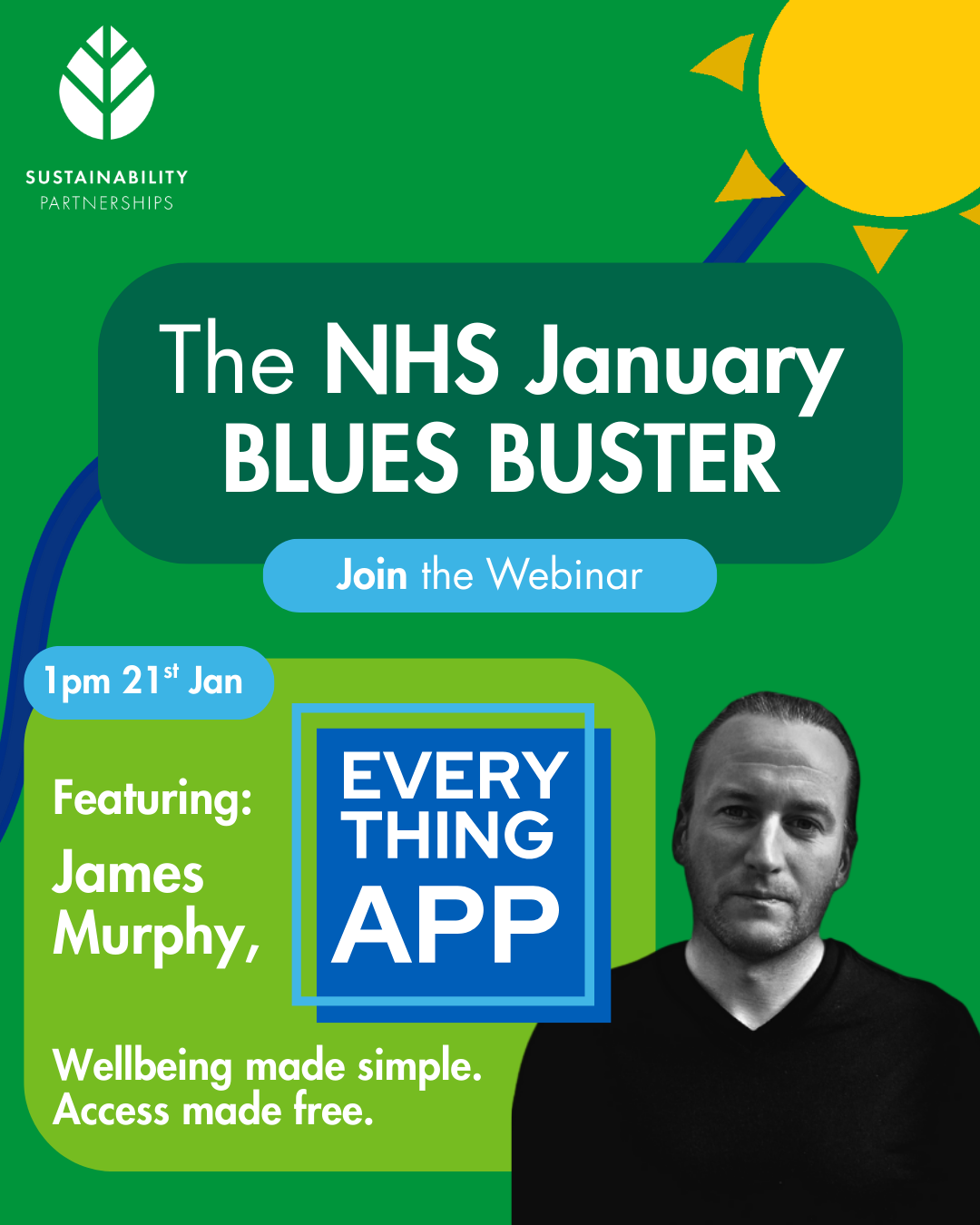
The Everything App: Health, Wellbeing and Community
James Murphy, co-founder of Fibodo and the tech behind The Everything App, showcased a completely free platform for NHS staff and their families focusing on health and wellbeing. Originally started during Covid as "Doing Our Bit" by Julie Davis, the app has evolved into an on-demand video library offering yoga, fitness, mental health coaching, and life coaching content, with plans to expand to professional development, HR support, high performance coaching, and change management.
James outlined ambitious plans to reach 100 sessions per month by March 2026, covering stress management, nutrition, mental health, women's health, men's health, and more. All content is verified by industry professionals, distinguishing it from unvetted YouTube content. The app encourages group participation, with research showing participation can increase by 80% when staff engage together through "energiser" roles within their organisations.
The platform extends beyond digital content. Through Fibodo's marketplace technology, NHS staff will gain access to in-person activities at local service providers—from yoga classes to personal training sessions—at free or heavily discounted rates when providers share their spare capacity. This approach supports local communities financially through the LM7 multiplier effect, where money spent with independent providers circulates within the community rather than disappearing into corporate structures.
James also highlighted plans for social prescribing through GP practices, where the activities accessible to NHS staff and families could extend to patients, creating a comprehensive wellbeing ecosystem that serves both healthcare workers and the communities they support. Partnerships with organisations like Badminton England and swimming pool chains are opening up free facilities for NHS workers.
A Worker-Led Approach to Sustainability
Both presentations underscored a crucial aspect of sustainable healthcare: systems must work for the people delivering care. George's emphasis on learning directly from workers about failing systems, rather than imposing top-down solutions, resonates with our audience. Similarly, James' focus on accessibility—considering ADHD users' needs in design, implementing proper fonts and colours for colourblind users, and building multilingual capability—demonstrated how technology can genuinely support diverse workforces.
The webinar highlighted that sustainability in healthcare isn't just about reducing carbon emissions or implementing greener technologies. It's about creating sustainable working conditions, reducing stress-related sick days, ensuring fair pay, and supporting the physical and mental wellbeing of the people who keep the NHS functioning. As both apps continue to develop through user feedback and expand their features, they represent practical steps toward making NHS work more sustainable for the workforce itself.
Make sure to sign up to our newsletter to never miss an event!